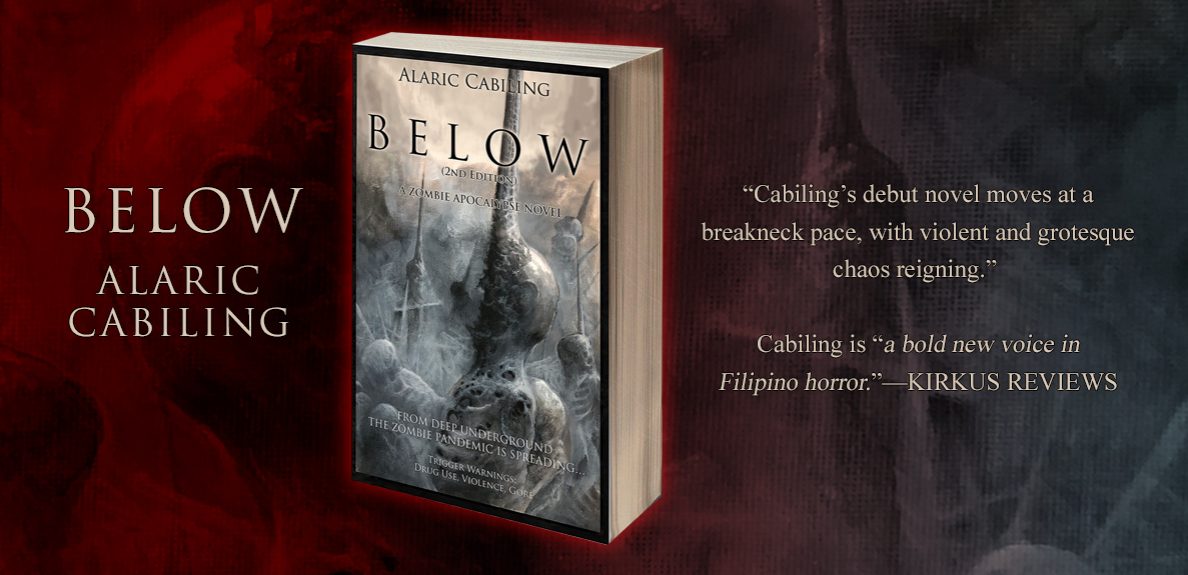
After conceptualizing a novel from start to finish, there remains the exciting prospect of seeing it in print or electronic format…but wait, there’s more. Before the manuscript is referred to as a book and arrives in completed form, countless hours of revision are necessary to ensure the highest quality standards are met. We shouldn’t rush any book project. One should take their time and ensure the best quality product.
Like the artist who strives to create beauty from a blank canvas, or the sculptor who creates something visually arresting from a chunk of rubble or heap of garbage, writing books must be approached with the same dexterity and meticulous detail. We must verify whether our words summon up the storm that destroys all manner of preconceived notion; we must ascertain whether we are telling a story without plot holes and compelling flaws in the narration, characterization, or motivations. Before we declare a work ready for the final leg (submission), we must exhaust all attempts at a thorough examination of the work. Ideally, a story shouldn’t go through four or five drafts, we need to let it sit for some time while repeatedly rereading the work and editing any questionable parts.
Which is why it is so awful in the end to wait for the manuscript to score the submissions process. It takes weeks to months to hear back from a publisher, and there are many instances when publishers don’t even write back. It is anti-climactic but very much a part of the process to wait for manuscripts to get approved for publication or get rejected. At least do this: before submitting your one and only manuscript to an open call or to a literary agent, write a few more manuscripts to submit elsewhere. Query agents with only one project at a time, but you might find multiple open calls that make sense for your work if you have more than one manuscript. It beats waiting for only one acceptance at a time when publishers aren’t always looking for that one specific storyline.
There are some talented authors in the horror genre that do more than write books. They also create book covers or promo materials. I’ve dabbled in this myself without impressing enough to consider doing this for someone else, so I choose to write. Still, diversifying and working on multiple projects at a time helps the long god-awful wait for manuscripts to get published.
Yet some work as editors for extra income. Some offer formatting services for self-publishers. Whatever it is you find yourself good at besides writing, it can not only add cash flow but also keep you sane throughout the waiting game.
Having more than one manuscript adds confidence. For one, that an appropriate open call will arrive while you are already waiting for another publisher to come to a decision. And another, for you to invest in a career in writing, which one book will never sufficiently get off the ground. If you are a writer, you are most certainly expected to have more than one manuscript in you. Even agents who see the proverbial pot of gold with your debut novel know better than sign an author who aims to be a one-and-done.
Therefore, the advice proves itself right, repeatedly. Keep writing. Even if your first book is received highly, that should only motivate you to come back harder the next time. There’s nothing better than making a career out of writing, which most of us don’t get to do until after playing the game for more than a decade at least. So, if you are as authentically motivated as any author in the genre to leave a lasting legacy, write and revise, rinse and repeat. Aim for absurd heights and don’t just try to knock off some of the other published authors that write generic, derivative genre fiction. In my case, my earliest influence in horror was Poppy Z. Brite from the ‘90s, and anyone would know that she was a tough act to follow (Our works are not alike).
If you have other talents to offer the community (like art or graphic design or copyediting), make sure you’re qualified and you don’t end up short-changing clients. There are numerous book trailer digital creators and cover designers that use Gen-AI or else, create complete crap not worth mentioning. Compare your work with the genre’s best to see if authors would be genuinely stoked to receive services from you before starting on that path.
Because it’s hard enough to write and succeed at the craft if not for doing something else simply because you want to make a quick buck. Writing is something that requires commitment, skill. It needs time and practice to hone to near-perfection (because perfection is an impossible standard). Don’t just content yourself with being an example of the genre’s least formidable talents; think big and aspire for more. As an example, when I embarked on this journey to reinvent literary horror, I expected resistance—authors and editors that have preconceived notions of what horror “should” sound like. In the end, my satisfaction with my own work predicated over those of others—what they were happy to think resembled the best of horror fiction as a genre, no matter how one-sided and lacking aesthetics and imagination. Here I am now poised to offer something most of my peers cannot readily emulate, even if they might liberally use the genre-tag “literary horror” as a misleading marketing tactic. And combined with my penchant for folk/ethnic/mythos horror/fantasy the likes of which are found only in my country, besides other story elements that are steeped in my unique culture and ethnic heritage, I offer something new while refreshing other storylines that may sound familiar. You, dear writer, are expected no less than to offer something similarly distinctive and distinguished. If you rehash existing horror tropes without any elaborate vision and originality, you fall rank and file with mediocrity. Think about it.


