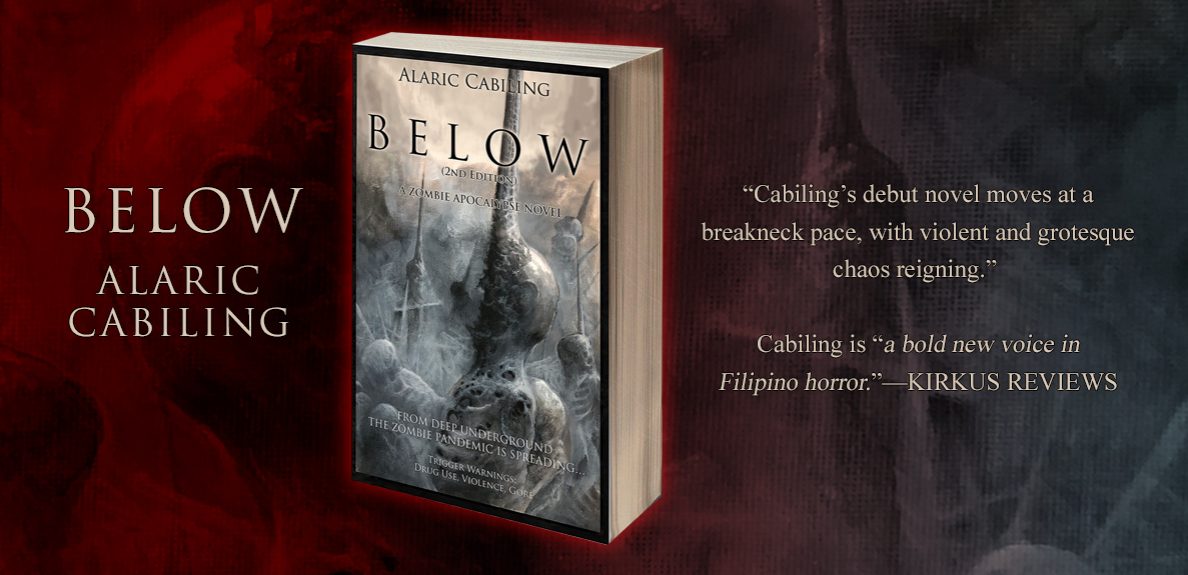
A really nice thing about putting yourself out there and trying to score acceptances for your manuscripts is getting much-needed feedback, which isn’t easy to get. Most editors give form rejection letters that don’t express why they didn’t love your work. And while authors should derive most of a book’s feedback from beta readers or a writer’s group, rejections can be insightful if rejection letters are accompanied by advice. Sometimes, a press will like your work enough to recommend changes or edits without rejecting it outright.
The only issue is…not all advice given can be a godsend. More often than not, the editorial revisions suggested will be accompanied by explanations, so if they make sense, then great, you can go ahead and implement changes as noted. But given the biases of editors publishing standard-fare genre fiction that steer clear of “literari-ness,” your awesome narrations can sometimes be flagged as the problem. Here’s the thing. It shouldn’t be. When other writers advise that you trust your art, that sometimes means trusting your gut and not taking advice to heart.
That may sound funny. Like if the best advice is not to listen to advice, what should you do? Some suggestions for edits indicate reader preference and are essentially subjective. If that is so, you have the option of editing your manuscript according to what an editor wants…at the expense of how you feel about your work.
Like for example, when editors say that they want more action and dialogue and less narration, that doesn’t mean you dropped the ball. That doesn’t mean you made an error of some sort. Sure, there are pointers for writers to keep in mind that will increase their chances of publishing, but a suggestion like the one mentioned reflects personal tastes and not a distinctive lapse in judgment by the author. Here’s the thing: the problem with genre is…most authors have been programmed to keep narration sparse and sentences mercilessly short. Genre authors don’t often strive to create beautiful language the way literary fiction writers purportedly do; and neither do genre authors often play with form the way avant-garde experimental writers are known for. Editors and writers now have expectations when it comes to genre, unwritten rules that have been based off of generally accepted practices that have resulted from mainstream convention and repetition. But who wants to read the same books over and over again?
While not considered a horror author, Cormac McCarthy is cited by many horror writers as an influence. Yet, few if any have attempted an assimilation of his style and approach. In fact, the majority of horror writers stray quite far from McCarthy’s penchant for writing anecdotal literary fiction. The truth is…literary anything has been mostly considered an enemy and antithesis of the genre for some time now.
Which brings me back to the suggestions mentioned that I received for my manuscript. The editor, in this case, wanted me to strip down all the narration so that most scenes would include dialogue and sensory details and little else. It is integral, let me just say, that writers be aware of a narrator’s power to paint the scenes closely, to take you into the character’s headspaces, and to summarize scenes that could largely result in superfluous interactions and details if left unchecked, especially when preserving the pacing and tension.
So what this means is that you will have to make tough decisions on whether to comply with an editor’s preferences just to get a manuscript published at the risk of your dissatisfaction. To mention another example, a prospective agent once told me that the elaborate descriptions I wrote to emphasize my work’s most violent scenes were problematic and needed editing out. Being particularly proud of how my prose and sentence structure tends to gain complexity without sacrificing meaning, beauty, and structural flow and fluidity when it matters most (during the most horrific scenes), I refused to gut my manuscript of these parts and never contacted the prospective agent again. Do I regret that? Not in the least. Even if I’ve yet to secure representation.
Because in the end, your happiness with your work matters. Especially when there is nothing wrong with it anyway. Do some research and see whether an editor’s suggestions fall within industry standard best practices. In that case, maybe some effort can be made to curb the offending narration in your manuscript without omitting it entirely. After all, there is such a thing as literary horror, which aims to bring the best of both worlds together. If an editor/agent wants to strip down your narration to bare-bones dialogue and little else, consider taking a hard pass.


