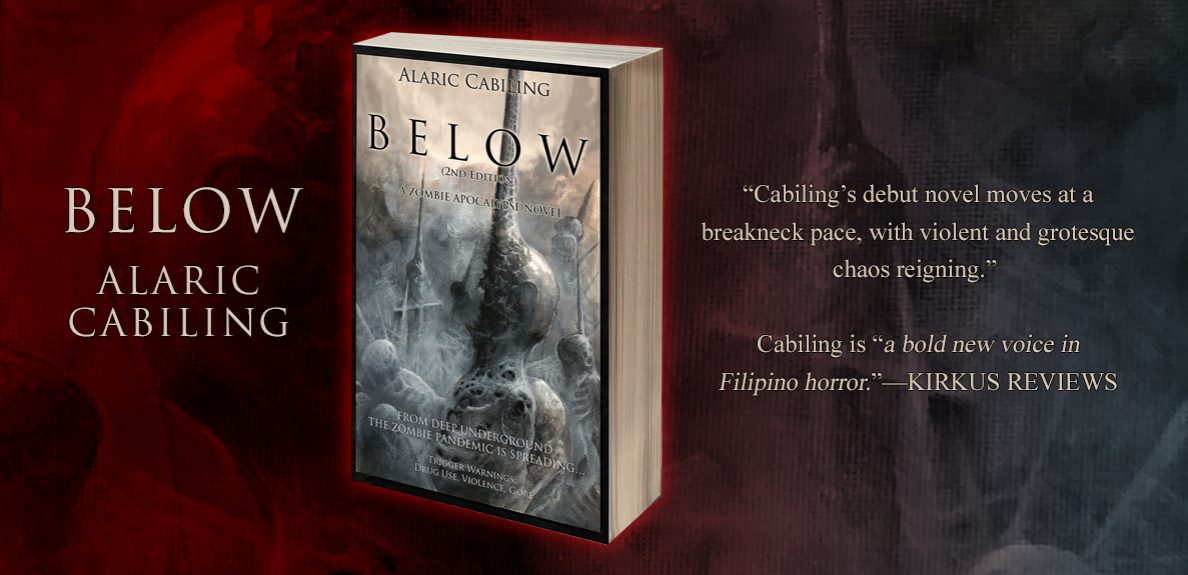
I can’t really call myself an expert on this; except for things I’ve learned along the way. I’ve only published one book so far, but I’ve prepared a slew of others to publish in addition to my debut, including a queer horror novella that was recently accepted by Twisted Dreams Press. And while I am generally excited just to get my work out there, the acceptance of my queer horror novella has brought renewed eagerness for a career that appeared to be on life support. So, what have I learned that other authors can make use of?
1. Keep revising.
When a manuscript is as close to perfect as you can envision, hire a very good proofreader to spot errors. The best way to ensure that an editor comes as close to a perfect edit of your work is not to leave them too much to do. Overdependency on editors leads to inadequately edited manuscripts. Don’t hand over a manuscript that needs an editor to make your work industry-grade. It needs to be as clean and polished as possible before the editor does their thing. This means giving your work time. The revision process can’t take place with just two or three passes. Let your work stay in your file cabinet for some time. Work on it periodically when time permits. Do not rush to publish manuscripts. Give them plenty of time and thought.
2. Consider self-publishing to get your career started if rejections pile up.
It isn’t always your fault when publishers keep rejecting your work. Like the familiar form rejection letter says, your work may not be “what they are looking for.” If you’re a foreign author like me attempting to crack the US and international markets, publishing is tricky because editors may not always align their objectives with yours. And no matter how editors and agents say they champion underrepresented voices, it always comes down to profits. So, if the largely white North American market may not make sense as the primary market for your book, they may determine that your work is challenging to sell. Consider self-publishing and running an effective marketing campaign yourself if this happens to you. The dream of hitting it big and ending up on the bestseller list is a bubble for most authors. If that sounds familiar, get your head out of the clouds and consider entering the market based on merit, where you give yourself a chance to build a name and reputation. Publishing isn’t a lottery or sprint race, it’s a marathon.
3. Always please yourself first. Don’t worry about the reader reviews or sales figures.
Profit margins are a horrible way to judge whether a book is a good read. Plenty of authors build a name or author brand and release tons of mediocre titles that sell like hotcakes. Everything goes back to the creative process. Make your work stand out in the best ways and don’t feel hesitant to hire a reputable proofreader to clean up basic errors. It really is tough sledding for most authors in the beginning, especially considering how your name merits nothing. Established authors sell most of their books by name recognition alone. Once they’ve built a market and credibility, they use those to sell their books more effectively than any ad. So, just know that many authors who’ve broken the bank don’t always keep up the high-quality standards. At some point, they seem impervious to bad sales, but the comfort level associated with the fame and money only means that their creative drive will also wilt accordingly. Some will lose that hunger to create works of such stellar distinction because sales becomes easy. Their books sell themselves. It is called the law of diminishing returns. All writers are suspect to this, but the hungriest authors are the most immune. It is a misconception that big names are synonymous with great writing. This is mostly manipulated by the awards giving bodies, where awards are essentially a popularity contest. Don’t dream too fondly of winning a Bram Stoker Award without friends in the genre. For most of us horror fiction writers, it feels too much like the high school prom to get nominated for a big-name award. Think of Duncan Ralston’s extreme horror novel, Woom, which never fails to get a mention in “best” extreme horror fiction lists. It was independently published early in Ralston’s career, proving name recognition didn’t factor in its success.
Therefore, make sure you are your work’s biggest critic. When people say, reach for the stars, they aren’t kidding. Lofty aspirations don’t have to be revealed candidly in interviews but keeping them in mind sets you up for equally lofty results. You don’t have to tell the readers you were aspiring for greatness to internalize that and yield the same results. It’s called self-actualization, making yourself happy not just as a writer but as a fan of the genre and pleasing yourself above readers who may never get the point. Stoke the fire for your creative process and vision and demand a level of quality from your work that will speak for itself. If the book doesn’t sell well or critics are on the fence, it isn’t always the end of the road. Leaving the books out there for readers to discover later may prove rewarding in the long run.
4. If you plan to publish through the indie presses, keep submitting. But consider alternative strategies.
Publishing requires us to be as creative with the business side of writing as with the writing itself. Have an open mind. Ask other authors what strategies have worked for them. Better yet, watch and learn. Most authors have social media where you can pick up tips. As mentioned earlier, self-publishing shouldn’t be discounted as an option to get your work out there. Promoting books in general has increased in difficulty over the years with a shrinking market, so be willing to take a loss. Focus on some great ideas that will help you stand out as a writer. Even though recycled ideas is prevalent in a genre like horror, your work still needs some authenticity to differentiate you from a crowd. If you’re a foreign author like me, that seems easier considering how fewer readers from the US have read about your country, but it is also challenging to convince editors and agents who aspire for work they resonate with to identify with yours.
If your goal is to submit to open calls, be ready for rejection. And if a manuscript keeps getting rejected, consider another look to ensure quality assurance. Ask trusted friends or colleagues what they thought about your writing and never depend on people who may feel pressured to give you objective feedback. Ask beta readers and colleagues to QA your manuscript, then submit the most polished version.
If you still can’t crack the market with an acceptance, consider self-publishing and giving away as many copies as you can afford. Yes, we all want to get paid because writing is hard work, but the reputation you build may far outweigh the short-term gains. Send a copy to every reviewer who makes sense, just like the major publishers do. To do this, you must consider a marketing budget. Try every marketing maneuver you can use without the aid of scamming book promoters. Consider your strengths and build around them. For example, I do far better with Q&A interviews than podcasts, so I search for opportunities to do the former than the latter.
And never forget when Salman Rushdie once wrote, “good advice is rarer than rubies.”


